



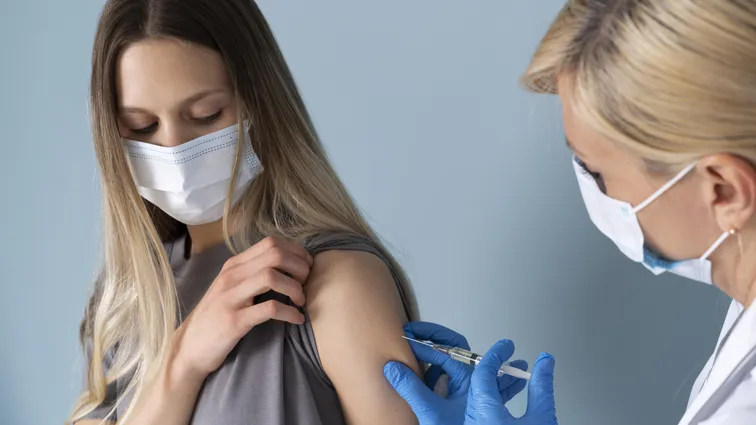


On 1 January 2026, an amendment to the Public Health Insurance Act entered into force, introducing a completely new reimbursement rules for vaccines and monoclonal antibodies intended for prophylaxis (“vaccines”). Under the new framework, decisions regarding reimbursement for vaccines will be made in administrative proceedings conducted by the State Institute for Drug Control. The Ministry of Health and its special advisory body will also be involved in the decision-making process.
The change applies to non-mandatory vaccines administered outside the compulsory vaccination schedule, which until now have been reimbursed directly on the basis of the Act. These include, for example, vaccines against influenza, meningococcal or pneumococcal infections, human papillomavirus, tetanus, or rabies. The new regime also applies to vaccines against any other diseases that have not previously been reimbursed under the Act – such vaccines may now also become eligible for reimbursement under the new rules.
The new reimbursement regulation differs significantly from the rules applicable to “standard” medicinal products, in particular in that it takes into account the overall societal benefits of vaccination.
A specific approach to assessing budget impact in the health insurance system
The new regulation takes into account the cost paradox of vaccination: the higher the consumption (and thus the higher the costs for the public health insurance system), the higher the vaccination coverage and, consequently, the greater the overall societal benefit.
Unlike “standard” medicinal products, which treat diseases, vaccines are intended to prevent them. Their preventive effect reduces overall societal costs and losses – not only the direct costs of treating the diseases against which the vaccines are designed, but also indirect costs related to social allowances and other losses resulting from reduced labour productivity, tax revenues, and consumption.
The new regulation therefore requires that, when assessing the budget impact, account be taken of savings at the societal level that would not arise in the absence of vaccination.
Flexibility in determining the level and conditions of reimbursement
The budget impact can be significantly influenced by setting the conditions of reimbursement. This primarily involves defining the group of the population for whom the vaccine will be reimbursed – for example, by setting an age limit or restricting reimbursement to risk groups.
If the administrative authorities assess the budget impact as unacceptably high, the applicant for reimbursement may request reimbursement for a narrower group of patients, or may apply for partial reimbursement, which can lead to a substantial reduction in the budget impact. The new vaccine reimbursement framework therefore opens up room for negotiations between the applicant and the administrative authority regarding both the level and the conditions of reimbursement.
A challenge for decision-making practice
The new system for deciding on vaccine reimbursement brings a number of opportunities, including more flexible and faster access for modern vaccines to the Czech market. At the same time, it places demands on a shift in how administrative authorities think about the costs of prevention.
A higher budget impact does not necessarily mean inefficiency – quite the opposite. The most advanced vaccines may deliver substantial public health benefits and generate significant savings at the societal level, even if they are more costly than previous generations of vaccines or when compared with medicinal products intended for treatment.
The success of the new legal framework will depend on whether stakeholders can move beyond a strictly economic view of vaccines as a cost item. If vaccine costs are perceived as a long-term investment in population health (an investment that pays off in lower treatment costs, higher productivity, and improved quality of life), the assessment of budget impact can become a tool for rational resource allocation rather than a barrier to access to modern vaccines.



.jpg.webp?hash=ddde4fb3f59badd04c202fa9465083fbd2e841ea)