



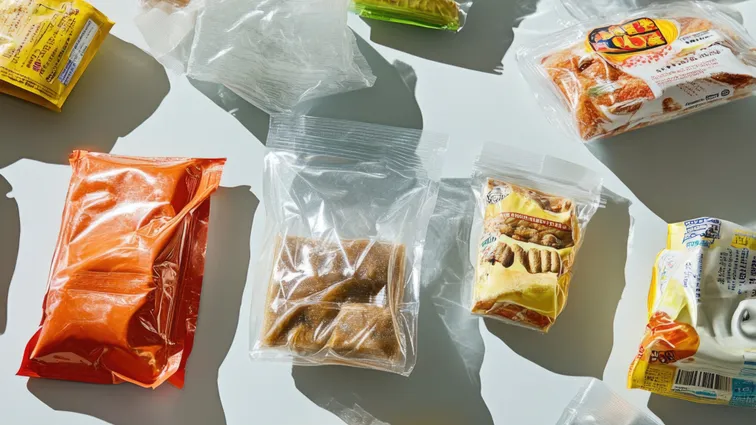


The European Union is introducing new rules on packaging and packaging waste. The PPWR regulation aims to reduce unnecessary packaging waste, harmonise rules across the EU and encourage companies to take a more holistic approach to packaging, “from design to recycling”. The good news is that this is not an overnight change. The less pleasant news: there are a great many companies that will be affected.
Who will be affected by the PPWR?
The PPWR does not apply solely to packaging manufacturers. It will also affect manufacturers of packaged goods, importers, distributors, online retailers, the retail sector, the HoReCa segment, and companies that use transport packaging or grouped packaging. This applies to both food and non-food goods.
The Regulation entered into force on 11 February 2025 and will generally apply from 12 August 2026, with a number of obligations coming into force gradually up to 2030 and beyond. What is important, however, is that a number of details have not yet been finalised. The PPWR envisages further implementing and delegated acts, which are intended to set out in more detail the specific methodologies, technical requirements and formats for fulfilling certain obligations in the coming years. The most significant of these are expected to take place between 2026 and 2028. Companies should therefore not assume that the current text of the regulation already provides answers to absolutely all practical questions – on the contrary, it will be necessary to monitor further developments on an ongoing basis.
What should be addressed now
Find out what role your company actually plays – that is the very foundation. According to the PPWR, a company may be a manufacturer, importer, distributor, producer, or final distributor – and may well fulfil several of these roles simultaneously. This gives rise to specific obligations, documentation and responsibility for compliance of the packaging with the rules.
Assess packaging in terms of composition, recyclability and labelling – PPWR is gradually introducing requirements for:
- substances contained in packaging,
- recyclability,
- minimum recycled content in plastic packaging,
- compostability of selected types of packaging,
- harmonised labelling of packaging.
In practice, this means that it will no longer be enough to focus solely on pricing and marketing. The packaging will also need to be assessed from a compliance perspective.
Reducing “empty air” and excessive packaging – one of the key issues is minimising packaging. From 2030, companies will also be required to monitor the maximum proportion of empty space in certain types of packaging, particularly grouped, transport and e-commerce packaging. This is particularly important for the retail sector, logistics and online sales.
Prepare for the push towards reuse – PPWR supports reusable models and, in some cases, even sets specific targets. This applies, for example, to:
- beverage packaging,
- transport and retail packaging,
- certain solutions in the retail and catering sectors.
It is important for the HoReCa segment that, from February 2027, it must allow customers to use their own containers for takeaway food and drinks, and they will also have to offer reusable packaging from February 2028.
Food: greater sensitivity to hygiene and materials
When it comes to food packaging, striking a balance between sustainability and safety will be of crucial importance. In practical terms, this means ensuring not only recyclability and recycled content, but also that certain substances are restricted. At the same time, it will be necessary to carefully assess where single-use packaging still makes sense and where there will be pressure to move towards reusable or refill solutions.
It is in the food sector in particular that the greatest tension tends to arise between hygiene, product shelf life, supply chain requirements, and new environmental rules.
Non-food packaging: careful with e-commerce, marketing and environmental claims
For non-food goods, the following topics will be particularly practical:
- e-commerce and transport packaging,
- the size and design of the packaging,
- a ban on certain formats from 2030,
- labelling,
- and also environmental claims.
What to watch out for most of all
The biggest mistake would be to wait for the PPWR to be addressed “sometime later”. For many companies, this will involve changes in several layers at once – from contracts with suppliers, to the technical parameters of packaging, to internal processes, labelling, logistics and customer communications.
It therefore makes sense to start with at least a basic checklist:
- what kind of packaging the company uses,
- in what capacity it markets them,
- which types of packaging will pose a problem after 2026, 2028 or 2030,
- what will need to be substantiated in technical and documentation terms,
- and where there is a risk to reputation due to inaccurate environmental claims.
At HAVEL & PARTNERS, we assist clients with the implications of the new packaging legislation in a practical and cross-disciplinary manner – from assessing specific packaging solutions, defining responsibilities within the supply chain and reviewing contracts, to marketing claims, retail processes and environmental compliance. If you are wondering what PPWR means specifically for your products, packaging or sales model, we will be happy to go through it with you.



.jpg.webp?hash=ddde4fb3f59badd04c202fa9465083fbd2e841ea)